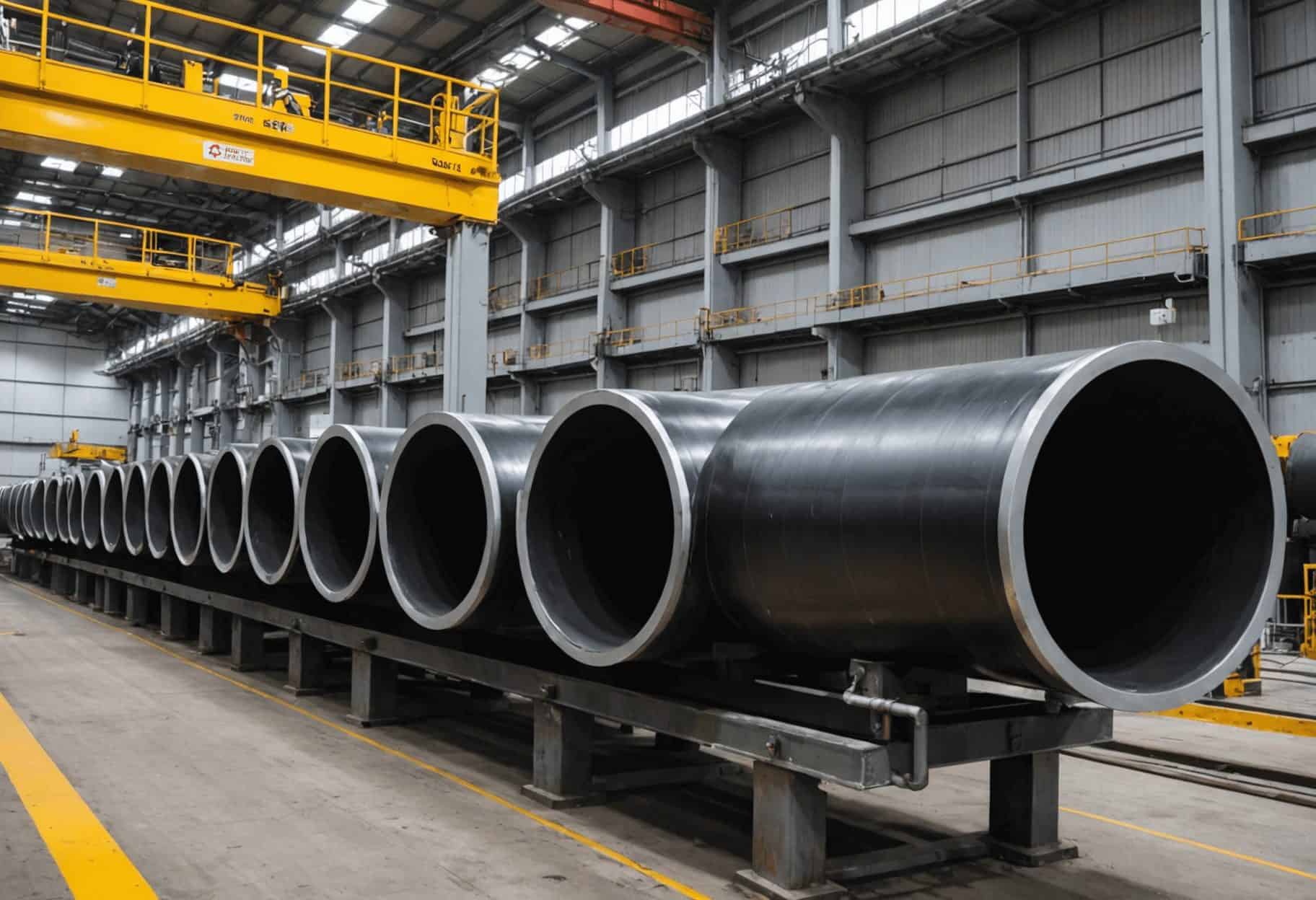
Underground pipes keep Singapore’s city life running by carrying water, handling sewage, and moving gas. Since the city is crowded with buildings and space is tight, these pipes sit deep underground to stay protected and work right. But being hidden also puts them at risk from things people don’t see that can cause big problems or stop them from working. Protecting these pipes goes beyond fixing leaks; it’s crucial for the city’s safety and smooth operation. City planners and safety experts must watch these hidden networks closely to keep everything flowing without a glitch. Keep reading to discover how these unseen heroes hold the city together and why ignoring them could lead to major headaches down the line.
When pipes are poorly protected, the consequences can be costly, ranging from service disruptions to serious safety hazards. In Singapore’s humid climate and dense subterranean environment, corrosion, physical damage, and leakage are common challenges that compromise the longevity of underground pipes. Therefore, understanding why pipe protection matters is crucial for engineers, contractors, and property owners alike. Proper protection methods ensure the reliability of essential services, reduce repair costs, and minimize disruptions to daily life.
Why Pipe Protection Is Essential for Singapore’s Underground Infrastructure
Mitigating Corrosion Risks in a Humid Climate
Singapore’s tropical climate creates a humid environment that dramatically accelerates corrosion in underground metal pipes. Corrosion leads to weakened pipe walls, leaks, and eventually pipe failure. Applying protective measures like corrosion-resistant coatings, cathodic protection, and using corrosion-proof materials significantly extends pipe lifespan. These interventions prevent rust formation and reduce the need for frequent repairs, saving long-term costs and maintaining service quality.
Preventing Physical Damage from Construction Activities
Construction projects are common in Singapore’s fast-changing urban landscape. Excavation activities, accidental impacts, and ground shifting pose serious threats to underground pipes. Installing durable protective layers, such as concrete encasements and flexible pipe sleeves, helps absorb impact forces and prevents punctures. Proper planning and mapping of existing underground utilities also minimize accidental damage, ensuring continuous service and avoiding costly repairs.
Methods of Protecting Underground Pipes in Singapore
Cathodic Protection and Protective Coatings
Cathodic protection involves applying a sacrificial anode or impressed current to prevent corrosion. These systems are particularly effective for metal pipes exposed to aggressive soil conditions. Additionally, liquid or fusion-bonded epoxy coatings create a barrier against moisture and chemicals in the soil, substantially reducing corrosion potential. Experts suggest regularly inspecting these coatings to ensure integrity over time and replacing them when signs of damage appear.
Use of Corrosion-Resistant Materials
Material selection is foundational to pipe protection. Polyethylene, ductile iron, and fiberglass pipes offer superior resistance to corrosion compared to traditional steel. Employing these materials in underground systems reduces the need for additional protective layers, thereby lowering maintenance costs and increasing reliability. When planning underground systems, consider future environmental conditions and select materials accordingly for enhanced durability.
Maintenance Practices to Ensure Long-Term Protection
Regular Inspection and Testing
Consistent monitoring reveals early signs of deterioration and helps plan timely repairs. Techniques such as inline inspection, ultrasonic testing, and ground-penetrating radar detect leaks, corrosion hotspots, and other issues. Setting up routine schedules for these activities helps prevent small problems from escalating into major failures.
Prompt Repairs and Preventative Measures
Addressing damage immediately upon discovery minimizes the risk of service disruptions. Protective coatings can be reapplied, and damaged sections can be replaced swiftly. Implementing a preventative maintenance schedule that includes shock absorption techniques and corrosion inhibitors further prolongs pipe life, ensuring the underground system remains secure and functional for years.
Legal and Regulatory Considerations in Singapore
Compliance with City Planning and Building Regulations
Singapore has strict regulations governing underground utility installations. These guidelines dictate the types of materials used, protection standards, and inspection processes to ensure safety and reliability. Staying compliant not only avoids legal penalties but also guarantees that pipes are protected against environmental and physical hazards effectively.
Coordination with Authorities and Stakeholders
Coordinating with the Land Transport Authority, PUB (Public Utilities Board), and other agencies is vital for seamless underground utility management. Sharing accurate utility maps and inspection reports can prevent accidental damage during excavation or construction activities, maintaining the integrity of underground systems.
Examples of Successful Pipe Protection Projects in Singapore
- Marina Bay Sands Development: Extensive use of corrosion-resistant materials and protective coatings ensured the longevity of water and drainage pipes amidst dense development.
- Changi Airport Expansion: Strategic placement and protective enclosures safeguarded underground utilities from construction activities and ground movement.
- HDB Estate Upgrades: Implementation of cathodic protection and regular maintenance minimized service interruptions for residents.
Expert Tips for Ensuring Effective Pipe Protection
- Plan Ahead: Involve experienced engineers early in design to select appropriate materials and protection strategies.
- Invest in Quality Coatings: Use proven protective coatings suitable for Singapore’s soil and environmental conditions.
- Implement Routine Checks: Schedule regular inspections to identify issues before they escalate.
- Train Workforce: Ensure maintenance teams are knowledgeable about current protection techniques and safety measures.
- Collaborate with Professionals: When in doubt, consult specialized Bathroom plumber in Singapore for expert advice on underground pipe installation and maintenance procedures.
Conclusion
Protecting underground pipe systems in Singapore is critical for maintaining a safe, reliable, and efficient urban environment. From mitigating corrosion to preventing physical damage, the methods and practices discussed here are essential components of responsible infrastructure management. As Singapore continues to develop and expand, investing in durable protection measures will save money, reduce service disruptions, and extend the lifespan of vital underground utilities.
Understanding the importance of pipe protection and implementing best practices can make a significant difference in the long-term performance of these underground systems. Whether you’re involved in design, construction, or maintenance, prioritize protection strategies that are suited to Singapore’s unique environment. Remember, a proactive approach to pipe health not only safeguards infrastructure but also supports the city’s ongoing growth and resilience. For professional assistance in maintaining or repairing your underground pipes, consider contacting experienced specialists who understand local conditions and standards.


