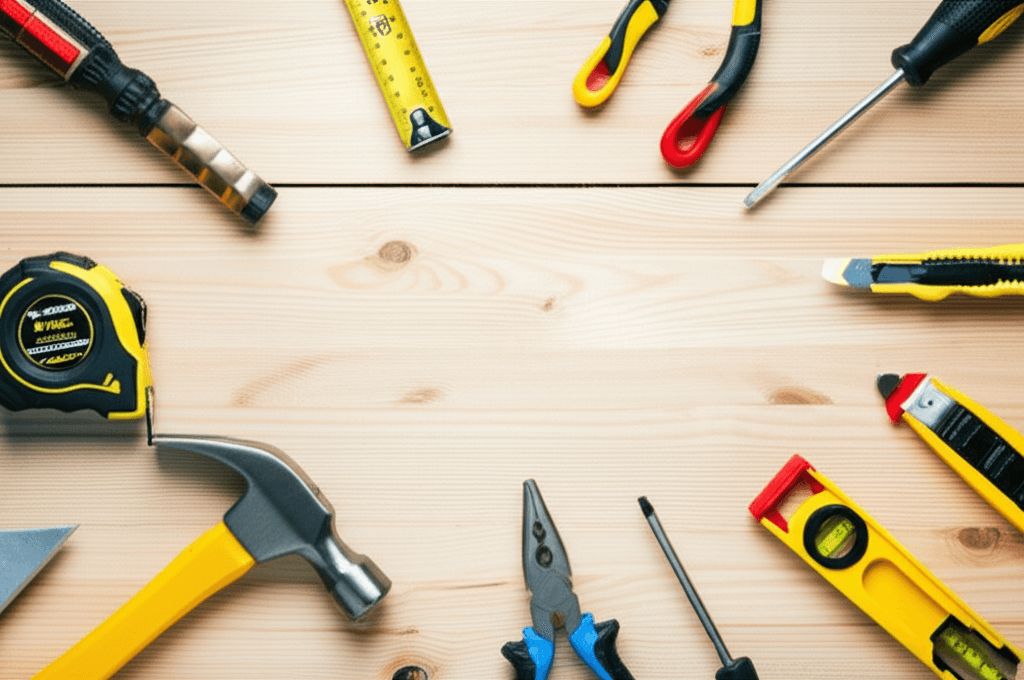
Completing a home project feels awesome and saves a lot of money. Using the right tools makes jobs click fast, turning long chores into simple steps. Without good gear, time disappears as people struggle to figure out what to do next. Choosing smart tools and habits cuts the hassle, so weekends bring results instead of exhaustion. A few insider tips speed up work and make it feel less like a drag. This shows how picking the right tools and habits can turn boring tasks into quick victories. Keep reading because making tough work easy and fun is easier than it looks.
Whether you are updating a room or building a simple shelf these tips focus on real world examples, clear criteria for choosing gear, and small habits that keep your tools ready when you need them. Expect actionable advice on what to buy first, how to keep items organized, and what makes a tool worth the investment.
Making DIY Easier With Tools by starting with the right mindset
Before spending on equipment think about the type of projects you do most often. If you hang art and install curtain rods you will need different items than someone who cuts lumber for furniture. Prioritize versatility and durability over novelty. A few high quality items cover many jobs and avoid the clutter of single use gadgets.
Plan projects in stages and list required tools per stage. That reduces trips to the shop and keeps you focused. When a task looks like it will take an entire afternoon break it into smaller sessions each with a clear tool list. That approach reduces frustration and makes progress visible.
Essential hand tools that make a big difference
Hand tools are the backbone of DIY. Invest in a solid set and you will save time on nearly every project.
Must have pieces
- Claw hammer with a comfortable grip and balanced head for driving and removing nails
- Screwdriver set with multiple tip types and a few long reach bits for tight spots
- Tape measure in both metric and imperial sizes for accurate cuts and spacing
- Adjustable wrench and set of combination wrenches for plumbing and fasteners
- Level for straight installations. A 48 inch box level and a small torpedo level cover most needs
- Pliers set including needle nose, diagonal cutters, and slip joint for gripping and trimming
- Good set of clamps. Bar clamps and quick grip clamps make gluing and holding parts far safer and faster
Storage and care for hand tools
Keep commonly used items in a small portable caddy so you can carry the essentials from one room to another. Wrap handles in non slip tape if they feel loose and sharpen cutting edges on a regular schedule. Label drawers or pegboard areas so tools return to the right spot. This reduces time wasted searching for one screw bit.
Power tools that simplify common tasks
Power tools cut time and expand what you can do safely. Choose models that match your workload and comfort level.
Drills and drivers
For most homeowners a cordless drill driver with two batteries covers drilling, driving, and light demolition. Add an impact driver for longer screws and fasteners into dense wood. Look for brushless motors if you want longer battery life and less maintenance over time.
Saws and cutting tools
A circular saw is the most versatile cutting tool for sheet goods and dimensional lumber. A jigsaw handles curves and detail work. If you will perform many rip cuts a portable table saw or a track saw provides straight edges that need little sanding. Choose blades for the material you cut most often to get cleaner edges and reduce sanding time.
Measuring and layout tools that prevent rework
Tiny mistakes compound quickly when cutting or installing. Spending a small amount on measuring gear saves hours in corrections. Consider these additions.
- A combination square and carpenter pencil for marking and checking 90 degree lines
- A speed square for rafter cuts and quick angle measures
- A laser level for long runs when you hang cabinets or align trim
- Calipers or a small digital gauge for tight fitting joinery
Take time to measure twice and cut once. It is a phrase for a reason. Proper layout reduces wasted materials and keeps projects on schedule.
Safety habits and protective gear that keep projects on track
Safety makes projects faster because you avoid accidents that stop work for long periods. A small set of protective items lets you tackle most tasks with confidence.
- Safety glasses and hearing protection for any power tool use
- Dust mask or respirator when cutting materials that create fine dust
- Work gloves to protect hands during rough handling
- Sturdy footwear and a clear, stable work surface to avoid slips and trips
Use clamps and supports when cutting or drilling to keep hands away from blades. Read the user guide for each tool and follow the recommended speed and material settings. That reduces wear on the tool and keeps cuts cleaner.
Picking the right tool for the job without overspending
Tool selection begins with clarity on frequency of use and project type. If you only need a tool once a year a budget model might be fine. For regular use lean toward models that offer serviceable parts and a strong warranty. Consider cost per use rather than upfront price.
Look for standard parts like replaceable brushes or commonly sized blades so repairs are simple. Read reviews from people who used the tool for similar tasks to yours. If you want a compact comparison of models and features check resources that focus on homeowner needs such as diy-tool-advisor.com for side by side comparisons and buying tips.
Maintenance and storage to keep tools ready
Treat tools like any other household item. Simple maintenance extends life and makes them more reliable when you need them.
- Wipe dirt and sawdust from tools after each session
- Keep cutting edges sharp using files or grinders as appropriate
- Store batteries at room temperature and charge them partly if you plan to store them long term
- Oil moving parts on hand tools and check screws and bolts on power tools periodically
- Use labeled containers or modular storage so you can find bits, blades, and accessories fast
Make a quick checklist for the most used items and run it before major projects. That small step prevents starting with dead batteries or dull blades.
Time saving techniques and project workflows
How you approach a task matters as much as which tools you own. Establish a workflow that reduces interruptions and repeat work.
- Gather all materials and tools before you begin a session
- Batch similar tasks like drilling all holes needed for a project before assembling parts
- Use jigs or templates for repeated cuts and holes to keep parts consistent
- Label parts as you cut them so reassembly is simple
For example when building a bookshelf cut all boards, drill pilot holes, sand parts, then assemble. This prevents switching tools repeatedly and keeps momentum.
Conclusion
Making DIY easier with tools is a matter of choosing the right items for the job, caring for them, and using solid habits that reduce wasted time. Start with a compact set of hand tools and one or two power tools that match the projects you do most. Add measuring tools and protective gear to avoid repeated work and mishaps.
Keep tools organized and routinely maintained so they are ready the moment you need them. Use simple workflows such as batching similar tasks and creating templates for repeat cuts. Over time those small practices add up to faster, neater results and more satisfying projects.
Now take action. Make a simple inventory of tools you own, list three projects you want to complete, and compare that list to what is missing. If you need focused reviews and buying tips for homeowner level tools visit the linked resource and pick one item to upgrade this month. A single thoughtful purchase and a short maintenance habit can change how quickly you get from idea to finished work.


