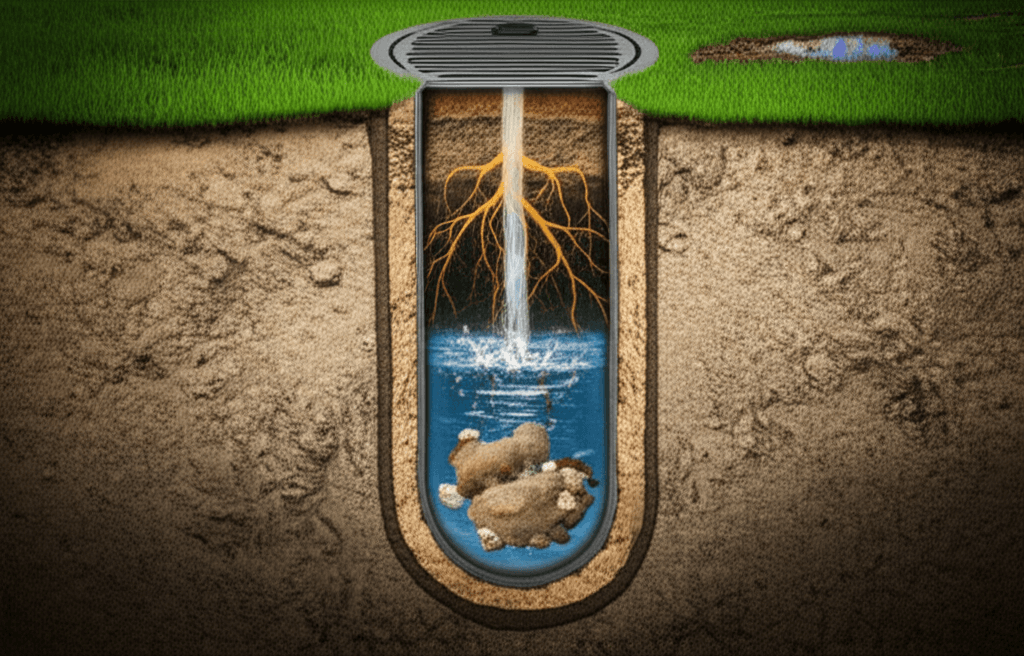
Sewer lines run underground, so many property owners ignore small issues until they turn into big problems. Missing early warning signs lets a tiny clog explode into a messy, risky overflow. Regular pipe cleanings prevent common troubles and keep the system running smoothly. For anyone wanting to dodge expensive repairs and nasty surprises, this simple trick can save a lot of pain later on. Stick around to find out how smart maintenance keeps everything flowing well and shields your property from damage.
This article explains why clean sewer lines regularly, what causes blockages, how cleaning protects health and property, and how to choose a reliable service. Practical tips and examples appear throughout so you can plan maintenance that saves time and money.
Why routine sewer cleaning matters for your property
Routine sewer cleaning removes the slow build up of grease, roots, mineral deposits, and solids that cause blockages. These deposits reduce pipe flow and increase pressure on joints and seals. Over time that pressure can lead to cracks, leaks, and full line failures.
Think of a sewer line like a pipe in a machine. If sediment builds inside, the machine must work harder. The same happens with pumps and septic systems. A routine cleaning cycle keeps flow consistent and reduces the mechanical stress on connected equipment such as sump pumps and wastewater ejector systems.
Common causes of sewer blockages and how cleaning helps
Understanding what clogs sewer lines helps choose the right cleaning method. Common causes include:
- Fats oils and grease that cling to pipe walls and trap other debris
- Roots from trees seeking moisture and nutrients that enter through small pipe defects
- Flushable labeled products that do not break down like toilet paper
- Mineral scale where hard water deposits accumulate over years
- Collapsed sections from ground movement or age that trap waste
Regular cleaning targets each of these issues early. For example, hydro jetting can cut roots and remove grease. Mechanical rodding sill remove compacted solids. Scheduled service reduces the chance a small obstruction becomes a full collapse.
Health and safety benefits of regular maintenance
Sewer backups create unsanitary conditions that can expose residents to bacteria viruses and fungal spores. Water that backs into basements or living areas often contains harmful pathogens and requires professional remediation.
Regular cleanings reduce backup risk and maintain indoor air quality by keeping waste moving away from the building. That lowers the chance of mold growth and eliminates odors that can attract pests. For businesses such as restaurants this protection also supports regulatory compliance and customer safety.
Financial benefits of preventive sewer service
Routine maintenance costs far less than emergency replacements. A scheduled cleaning might cost a few hundred dollars while replacing a damaged sewer line can run into the thousands. Early intervention prevents lateral line replacement and avoids excavation in landscaped or paved areas.
Insurance claims for sewer backups often require documentation of maintenance. Having records of regular cleanings can help when filing a claim and can show lenders or property managers that the system was looked after. Small investments each year reduce the likelihood of large surprise expenses.
How professionals clean sewer lines
Professional teams use a range of tools and methods depending on the problem. Understanding common approaches helps you evaluate service options before technicians arrive.
Inspection tools and techniques
Video inspection is the first step for many professionals. A camera pushed through the line identifies exact blockage location condition of the pipe and presence of root intrusion or scale. Inspections remove guesswork and allow targeted cleaning which saves time and limits unnecessary excavation.
Cleaning methods explained
Common cleaning methods include snaking hydro jetting and chemical treatments that are safe for pipes when used appropriately. Snaking or mechanical rodding is useful for dislodging clogs of hair or compacted solids. Hydro jetting uses high pressure water to scour pipe walls and remove grease roots and mineral deposits. Technicians choose the right option based on inspection findings and pipe type.
DIY maintenance between professional visits
While professional service is essential for major cleaning there are practical things homeowners can do to extend the time between visits. Simple habits reduce buildup and keep lines clearer longer.
- Dispose of grease by collecting it in a container and placing it in the trash rather than pouring it down drains
- Limit use of flushable labeled wipes and teach household members what can and cannot be flushed
- Install hair traps in showers and sinks and clean them regularly
- Schedule root pruning with an arborist for trees close to sewer mains
- Run hot water through the kitchen drain after dishwashing to help move oils along
Small daily habits cut the pace of buildup. Combine these with an annual or biannual professional inspection and the likelihood of emergency service drops dramatically.
Choosing the right sewer cleaning service
Selecting a provider requires more than price comparison. Look for technicians who use video inspection who can show you real footage of the problem and explain the recommended course of action. Ask about safety procedures and the types of equipment they use for cleaning so you know if hydro jetting or mechanical methods will be applied.
Local companies familiar with soil types and common tree species can offer practical advice about root management and long term line care. For specific sewer cleaning needs consider contacting a local service that focuses their offerings on line clearing and repair. A reliable local example is Zoom Drain and sewer cleaning which provides inspection driven solutions and detailed reports so property owners know what happened and why.
Signs you need immediate cleaning
Some symptoms require prompt attention. Watch for slow drains across multiple fixtures gurgling sounds from drains sewage odors in yards or basements and unexplained increases in water bills. These can indicate a partial obstruction or a failing lateral line that needs urgent cleaning or repair. If you see pooling water above a sewer line or persistent wet spots in the yard have a professional inspect the system without delay.
Scheduling a long term maintenance plan
Creating a maintenance schedule depends on factors such as pipe age material tree proximity and household size. As an example a single family home with aging clay pipes and multiple large trees nearby may need inspections every 12 months with cleaning every 6 to 18 months depending on findings. A newer pipe made of PVC with minimal landscaping impact may need less frequent intervention.
Document each visit and list findings and actions taken. That log helps predict when the next cleaning will likely be needed and provides a history that is useful if you sell the property or file a claim.
Real life examples and what they teach
Example one involves a small restaurant that delayed cleaning for over a year. Grease hardened inside the main line and eventually caused a backflow into the dining area. The emergency clean up and equipment replacement cost several thousand dollars. Had the restaurant maintained a quarterly cleaning schedule with grease trap management those expenses could have been avoided.
Example two involves a homeowner who noticed a slight odor and scheduled an inspection. Video footage revealed beginning root intrusion at a joint. A targeted cleaning and a preventative root treatment extended the life of the line and deferred a costly excavation. These stories show that early action limits repair scope and cost.
Maintaining sewer lines is a mix of regular habits professional check ups and prompt response when signs appear. With consistent care you reduce the likelihood of backups protect health and avoid major repair bills. If you are unsure where to start schedule an inspection and use that footage to build a cleaning plan that fits your property and budget. Taking action now keeps systems running and prevents surprises later.