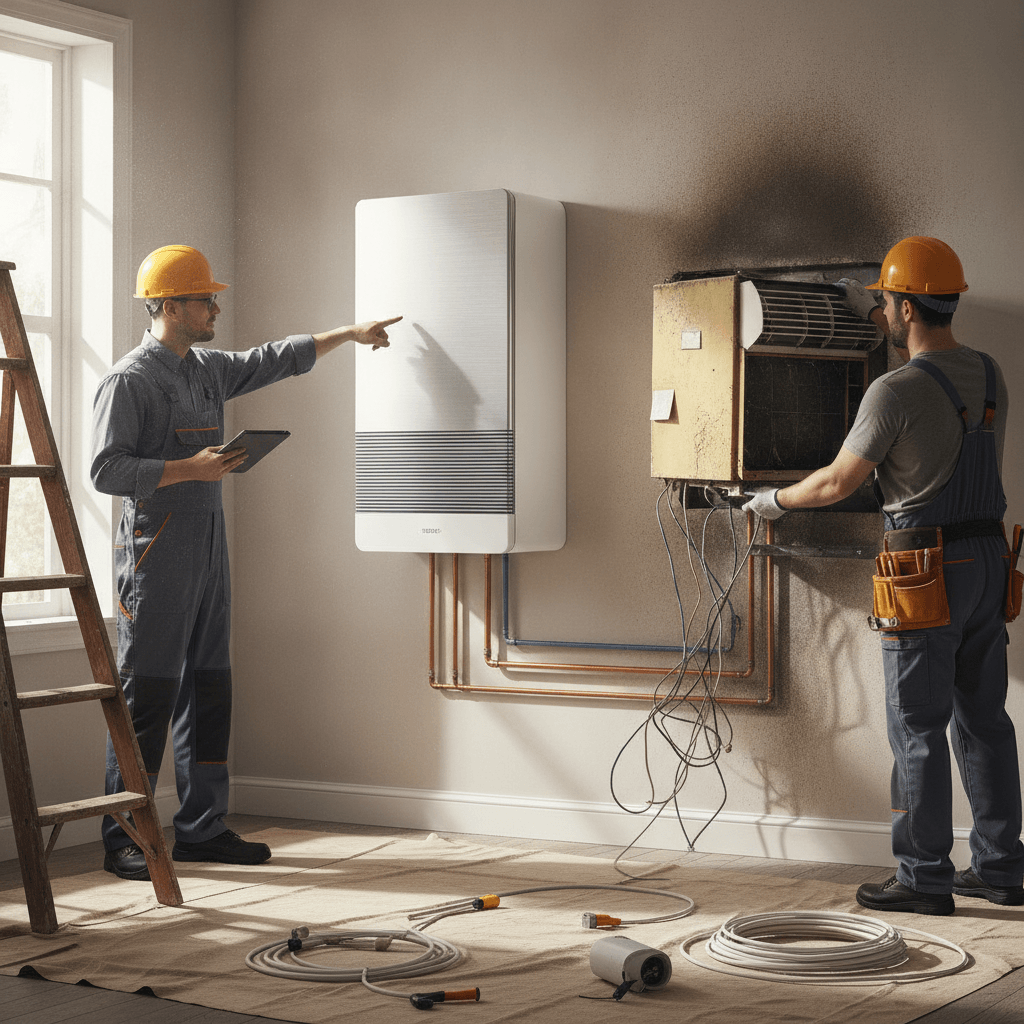
As an HVAC expert I often see homeowners grappling with an old climate system. They might be wondering if it is time to replace their aging air conditioner or furnace. It is a common dilemma and one that many people face after years of reliable service from their units. Yet the reality is that older systems simply cannot keep up with modern demands.
I understand the hesitation to invest in a new system. Many times we get used to what we have even if it is not working as well as it once did. But waiting too long can lead to bigger problems and more expenses in the long run. My goal here is to help you understand why upgrading aged climate systems is often the best choice for your home and your wallet.
I will walk you through the key reasons why a modern climate system offers significant benefits. These include better efficiency enhanced comfort and improved indoor air quality. We will explore the technology available today and how it can make a real difference in your everyday living.
Recognizing the Signs Your Climate System Needs an Upgrade
I have seen many homeowners overlook the clear signals that their climate system is nearing its end. These signs are not always dramatic like a complete breakdown. Often they are subtle warnings that grow more obvious over time. Paying attention to these indicators can save you from unexpected discomfort and costly emergency repairs.
One of the first things I advise people to watch for is a change in their energy bills. If your heating or cooling costs are steadily climbing without a clear reason, your old system might be the culprit. It simply works harder to achieve the desired temperature.
Increased Energy Bills
I often tell clients that rising utility bills are a strong indicator of an inefficient system. Older climate systems, especially those over 10 to 15 years old, were not designed with the same energy efficiency standards as today’s models. Their components wear down over time making them consume more power to do the same job.
You might notice a significant spike during peak seasons like summer or winter. This extra energy use translates directly into higher costs for you. Upgrading aged climate systems can cut these energy expenses substantially because new units are built to be much more efficient.
Frequent Repairs and Breakdowns
Another telltale sign I observe is when a system needs constant repairs. A repair here and there is normal but if you are calling for service every season that is a problem. Parts become harder to find for older models and repair costs can add up quickly.
Sometimes the cost of a single major repair can be almost half the price of a brand new unit. At that point it makes more sense to replace the system entirely. This avoids throwing good money after bad. When you consider replacing a 20-year-old HVAC system it is usually a wise long-term financial decision.
Inconsistent Heating or Cooling
If some rooms in your house are always too hot while others are too cold you have inconsistent temperature control. This often happens with older climate systems. They struggle to distribute air evenly throughout your home.
You might also notice loud noises coming from the unit. Or perhaps you feel hot or cold spots even when the system is running constantly. These are signs that your system is no longer effectively conditioning your entire living space. A new system can solve these comfort issues completely.
The Financial Benefits of Upgrading Aged Climate Systems
When I talk to homeowners about upgrading their climate systems, the conversation often turns to cost. While the initial investment might seem large, I always emphasize the long-term financial savings. These savings come in several forms and they accumulate significantly over the years.
Many people are surprised to learn just how much money they can save. Modern HVAC units are designed to be incredibly efficient which directly impacts your monthly bills. This makes the upgrade a smart financial move rather than just a necessary expense.
Significant Energy Savings
I regularly see clients save 20% to 40% on their energy bills after installing a new high-efficiency system. This is because modern units have much higher SEER seasonal energy efficiency ratio ratings for air conditioners and AFUE annual fuel utilization efficiency for furnaces. These ratings tell you how efficiently the unit converts energy into heating or cooling.
An old system might have a SEER rating of 8 or 9. Newer models often boast ratings of 16 or higher. This means they use far less energy to achieve the same comfort level. Over a few years the energy savings can largely offset the cost of the new equipment.
Reduced Repair Costs
I often compare an old car to an old climate system. As they age parts start to fail more often. The cost of replacing these parts and paying for labor adds up quickly. With a new system, you get a fresh start.
Most new climate systems come with extensive warranties covering parts and labor for several years. This gives you peace of mind and protection from unexpected repair expenses. You will spend less money on fixes and more on what matters to you.
Enhanced Comfort and Indoor Air Quality
Beyond the financial advantages, I find that improved comfort and air quality are major benefits of upgrading aged climate systems. People often tolerate stuffy air or uneven temperatures because they do not realize how much better it can be. A new system can truly transform your living environment.
I explain to my customers that modern systems are not just about temperature. They play a vital role in creating a healthier and more pleasant indoor space. This is something everyone in the home can appreciate and it makes a big difference in daily life.
Consistent Temperature Control
One of the biggest complaints I hear about old systems is their inability to maintain a consistent temperature. You might feel blasts of hot or cold air followed by periods of discomfort. New climate systems feature advanced technology like variable-speed blowers and multi-stage heating or cooling.
These features allow the system to run more continuously and at lower capacities. This maintains a much more stable temperature throughout your home. You get consistent comfort without those annoying temperature swings.
Better Humidity Management and Air Filtration
I always emphasize the importance of indoor air quality especially for families with allergies or respiratory issues. Older systems often struggle with humidity control and their filtration capabilities are basic. This can lead to stuffy air mold growth and the circulation of allergens.
Modern climate systems come with enhanced filtration options. They can remove more dust pollen and other airborne particles. Many also offer better dehumidification features. This means cleaner healthier air and a more comfortable humidity level inside your home.
Exploring Modern Climate System Technologies
The world of HVAC has advanced significantly in recent years. When you are considering upgrading aged climate systems, I encourage you to look at the innovative technologies available. These advancements offer not just efficiency but also greater control and customization for your home comfort.
I find it exciting to show people how smart technology can integrate with their climate control. It is about more than just a thermostat now. It is about creating a truly responsive and intelligent home environment.
High-Efficiency HVAC Systems
I often recommend high-efficiency units because they offer the best return on investment. These systems use advanced compressors fans and heat exchangers to maximize their energy output while minimizing energy consumption. This means you get powerful heating and cooling for less money.
Some models also incorporate inverter technology. This allows them to adjust their output precisely to match your home’s needs. They avoid the constant on-off cycling of older systems. This leads to quieter operation and even greater energy savings.
Smart Thermostats and Zoning Systems
I believe smart thermostats are a game changer for modern climate control. These devices connect to your home Wi-Fi. They allow you to control your system from anywhere using your smartphone or tablet. Many learn your preferences over time and can optimize your energy use.
Zoning systems are another innovation I find beneficial for many homes. They allow you to divide your home into different temperature zones. This means you can heat or cool only the areas you are using. This saves energy and provides customized comfort for each part of your house. It is a smart way to manage your climate.
The Upgrade Process Explained
I want to make sure homeowners feel informed and comfortable throughout the upgrade process. Upgrading aged climate systems involves several key steps. Each step ensures that your new system is perfectly matched to your home and installed correctly for optimal performance.
I emphasize that professional expertise is crucial here. This is not a DIY project. A proper installation affects the efficiency longevity and safety of your new system. We take pride in guiding our clients through every stage.
Assessment and Sizing
The first step I always recommend is a thorough home assessment. A qualified technician needs to evaluate your home’s size insulation window quality and ductwork. We consider factors like sun exposure and local climate too. This information is critical for correctly sizing your new system.
An oversized or undersized system will not operate efficiently. It can lead to discomfort high energy bills and premature wear. We make sure to perform precise calculations to find the ideal capacity for your specific needs. This foundational step guarantees the best results.
Professional Installation and Testing
Once we determine the right system for your home, the installation begins. Our certified technicians carefully remove your old equipment and install the new unit following all manufacturer specifications and local building codes. This includes connecting electrical components refrigerant lines and ductwork.
After installation I always ensure comprehensive testing is performed. We check for proper airflow refrigerant levels and electrical connections. We also calibrate your thermostat and explain how to use your new system effectively. This attention to detail ensures your climate system runs perfectly from day one.
Investing in Your Home’s Future with a New Climate System
I have shown you that upgrading aged climate systems offers a multitude of benefits that extend far beyond simply having a working heater or air conditioner. We have discussed how a new system can dramatically lower your energy bills. It also reduces those annoying and expensive repair calls that drain your budget. This financial relief is a significant advantage for any homeowner.
Moreover, I have highlighted the improved comfort you will experience with consistent temperatures throughout your home. You will no longer deal with hot and cold spots. The enhanced indoor air quality provides a healthier living environment. This can be especially important for individuals with allergies or other sensitivities. Modern technology provides precise control and efficiency that old systems simply cannot deliver. These advancements make daily living more enjoyable and less stressful.
I truly believe that investing in a new climate system is an investment in your home’s future. It boosts your property value. It secures your family’s comfort for years to come. It helps you save money on utilities and maintenance. If you are experiencing any of the signs we discussed it is time to consider a professional consultation. Reach out to us today so we can assess your current system and discuss the best upgrade options for your home and your budget. We are here to help you make an informed decision for lasting comfort and savings.